How Often Should You Clean Your Rugs? A Practical Cleaning Schedule
 Keeping your rugs clean is not just about appearance — it also affects indoor air quality, durability, and long-term maintenance costs. However, how often you should clean a rug depends on several factors, including material, foot traffic, and exposure to pets or spills.
This guide breaks down a realistic cleaning schedule to help you maintain your rugs without causing damage.
Weekly to Bi-Weekly: Routine Maintenance
Regular maintenance is the most important step in preserving your rug.
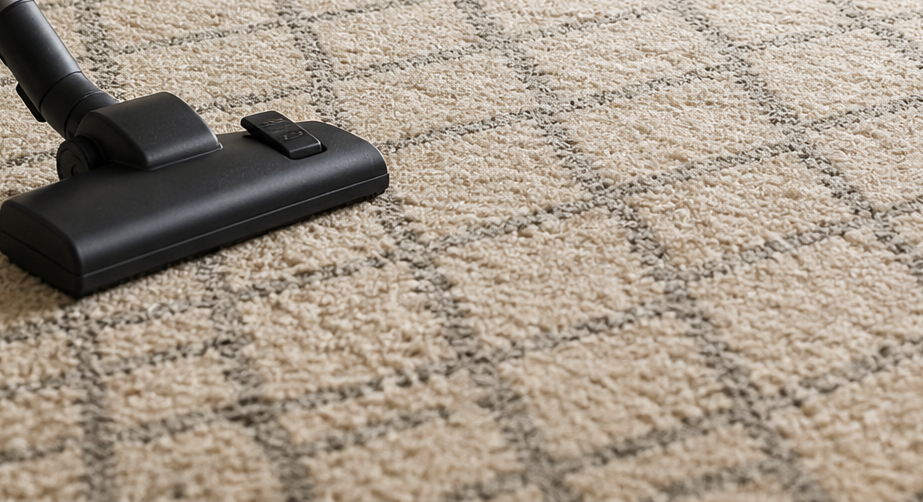
- Vacuuming: Remove loose dirt and debris before it settles deep into the fibers
- High-traffic areas: Clean more frequently to prevent wear patterns
Important: Avoid aggressive vacuum settings or beater bars on delicate rugs, especially wool. These can damage fibers over time.
Monthly: Light Inspection and Spot Cleaning
Once a month, take a few minutes to check your rugs for early signs of damage or staining.
- Inspect for spills, stains, or discoloration
- Address small issues before they become permanent
For safe spot cleaning methods, see our guide on cleaning a rug at home without damaging it.
Every 3–4 Months: Preventative Care
Seasonal maintenance helps extend the life of your rug.
- Rotate the rug: Prevent uneven wear and fading
- Check underlying padding: Ensure proper support and airflow
Every 6–12 Months: Deep Cleaning
Deep cleaning removes embedded dirt that regular vacuuming cannot reach.
The method you choose matters:
- Wool rugs: Require low-moisture, gentle cleaning methods
- Synthetic rugs: Can tolerate more intensive cleaning
Using the wrong method can cause damage. Learn more in our guide on safe cleaners for wool rugs and cleaning synthetic rugs properly.
Once a Year: Professional Cleaning (When Needed)
Professional cleaning may be necessary if:
- The rug is heavily soiled
- Odors persist after cleaning
- The rug is valuable or delicate
Not all rugs require annual professional cleaning, but it can help maintain condition over time.
As Needed: Spills, Stains, and Pet Accidents
Unexpected messes should always be handled immediately.
- Blot spills quickly to prevent absorption
- Avoid over-wetting the rug
- Use the appropriate cleaning method for the material
For pet-related issues, see our guide on removing pet urine safely.
Factors That Affect Cleaning Frequency
- Foot traffic: High-traffic areas require more frequent cleaning
- Pets and children: Increase the likelihood of stains and odors
- Rug material: Wool and natural fibers require more careful maintenance
Final Thoughts
There is no one-size-fits-all schedule for rug cleaning. The right approach depends on how your rug is used and what it’s made from. Regular maintenance combined with occasional deeper cleaning will help preserve both the appearance and lifespan of your rug.