Dry Cleaning vs. Steam Cleaning for Rugs: Which Method Is Safer and More Effective?
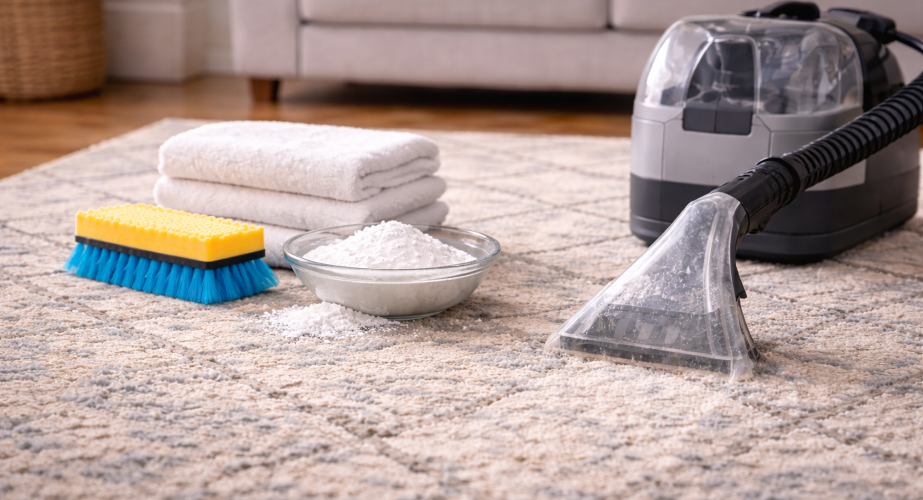 Choosing the right cleaning method is one of the most important decisions you can make when caring for an area rug. While both dry cleaning and steam cleaning are commonly used, they are not equally safe for all rug types.
This guide explains how each method works, when to use them, and what to avoid to prevent damage.
Why Cleaning Method Matters for Rugs
Unlike wall-to-wall carpet, rugs often:
- Have delicate or natural fibers like wool or cotton
- Contain dyes that can bleed with moisture
- Include backing that can trap water
Using the wrong method can lead to shrinkage, discoloration, or long-term odor issues.
Dry Cleaning (Low-Moisture Cleaning)
How It Works
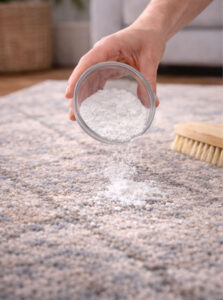
Dry cleaning uses a low-moisture compound or powder that is applied to the rug and worked into the fibers. The compound absorbs dirt and is then removed through vacuuming.
When It Works Best
- Light dirt or surface-level cleaning
- Maintenance cleaning between deeper washes
- Rugs that are sensitive to moisture
Advantages
- Fast drying time
- Reduced risk of over-wetting
- Safer for certain natural fibers
Limitations
- Does not remove deep stains or odors effectively
- May leave residue if not fully vacuumed
Steam Cleaning (Hot Water Extraction)
How It Works
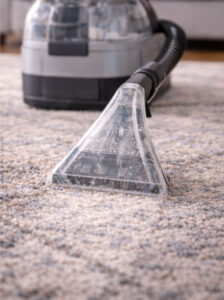
Steam cleaning uses hot water and cleaning solution injected into the rug, followed by extraction to remove dirt and moisture.
When It Works Best
- Deep cleaning heavily soiled rugs
- Removing embedded dirt and allergens
- Treating certain types of stains
Advantages
- More thorough cleaning
- Better for deep contamination
- Effective for some odor removal
Limitations and Risks
- Longer drying time
- Risk of over-wetting the rug backing
- Potential for dye bleeding or shrinkage
Steam cleaning can be especially risky for wool rugs. Learn more in our guide on why steam cleaning can damage wool rugs.
Which Method Is Better for Your Rug?
The right method depends on several factors:
Rug Material
- Wool rugs: Generally safer with low-moisture methods
- Synthetic rugs: Can tolerate deeper cleaning methods
If you’re unsure, review our recommendations for safe wool rug cleaning options and cleaning synthetic rugs properly.
Level of Soiling
- Light dirt → dry cleaning may be enough
- Heavy stains or odors → deeper cleaning may be required
For example, pet-related issues often require more targeted cleaning methods. See our guide on removing pet urine from rugs.
Common Mistakes to Avoid
- Using steam cleaning on delicate rugs
- Over-wetting the rug during cleaning
- Using high heat to speed up drying
- Assuming all rugs can be cleaned the same way
When to Consider Professional Cleaning
Professional cleaning may be the safest option if:
- The rug is antique or valuable
- Stains are deeply embedded
- Odors persist after cleaning
Final Thoughts
Both dry cleaning and steam cleaning have their place, but neither is universally safe for all rugs. Understanding your rug’s material and condition is key to choosing the right method and avoiding damage.
When in doubt, take a conservative approach or consult a professional before using high-moisture cleaning methods.